We began in 2018 with a single piece of driftwood collected from Coffee Bay. No business plan. No target market. Just a belief that natural materials hold stories worth preserving.
The first year was experimentation. We tested different woods, finishes, and forms. Most pieces failed. Some cracked during drying. Others revealed flaws only after weeks of work. We learned to read grain patterns, moisture content, and structural weak points before making the first cut.
By 2020, we had developed a process that respected both the material and the timeline required for quality. No rushing. No shortcuts. If a piece needed four months, it got four months.
Our Approach
We source materials from specific locations across South Africa. Each region provides different characteristics. Eastern Cape driftwood carries salt weathering and smooth grain. Mpumalanga hardwoods offer density and color variation. Western Cape stone provides texture and weight.
Every piece starts with material selection. We evaluate grain direction, natural coloring, existing wear patterns, and structural soundness. The design emerges from what the material suggests rather than forcing predetermined concepts.
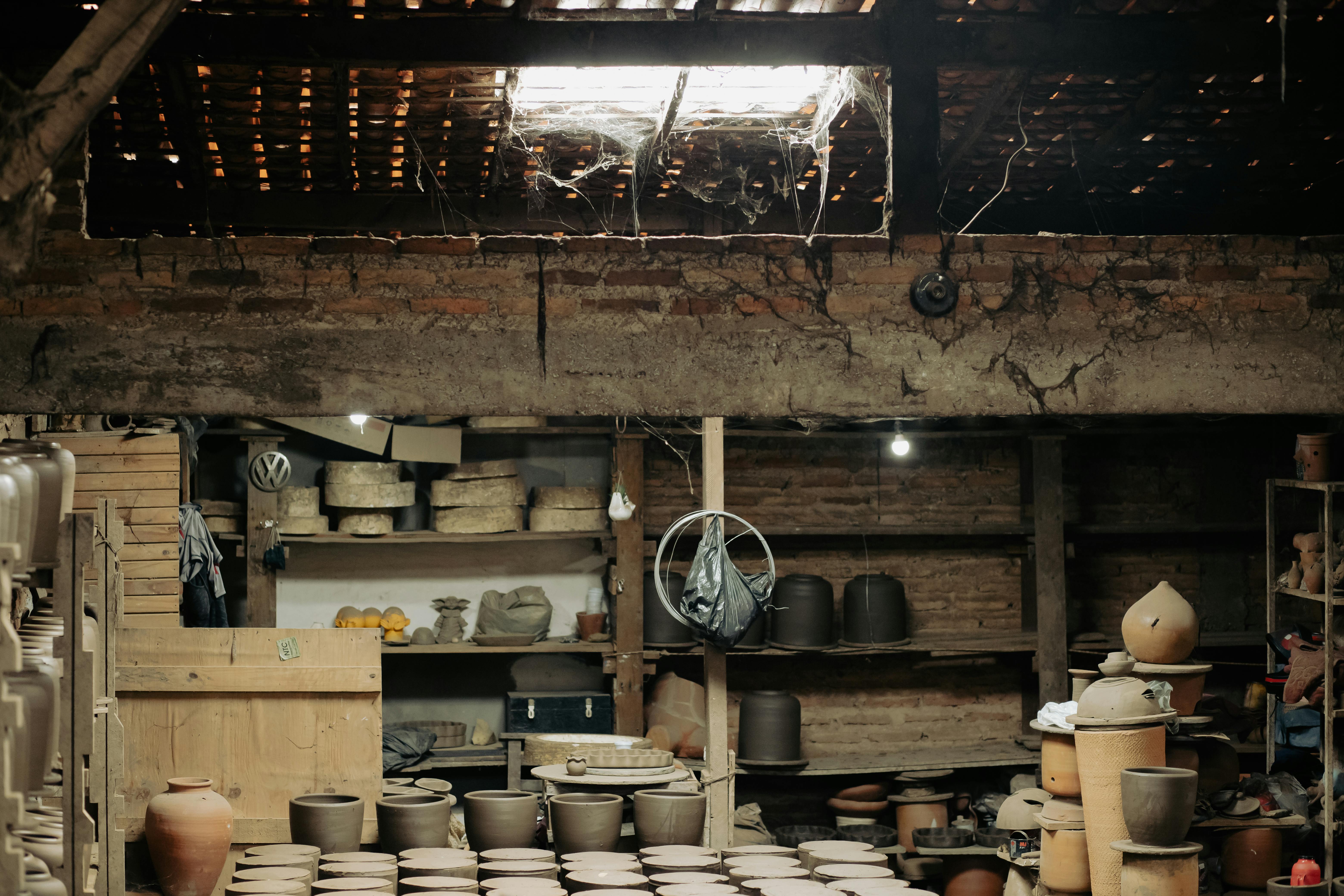
Hand tools dominate our process. Chisels, hand planes, rasps. Power tools handle initial rough work, but final shaping happens manually. This allows adjustment as hidden grain patterns emerge during carving.
What Guides Our Work
We avoid trends. A piece finished today should feel relevant in fifteen years. This means rejecting fashionable forms in favor of fundamental relationships between material, light, and space.
Sustainability is non-negotiable. Fallen timber. Storm debris. Materials that would otherwise decompose unused. We have relationships with forestry operations that notify us when suitable wood becomes available from sustainable harvesting.
Every piece receives natural finishing. Oils derived from plants. Waxes that protect without creating artificial sheen. Nothing that obscures the wood grain or alters natural coloring beyond slight enrichment.
Current Work
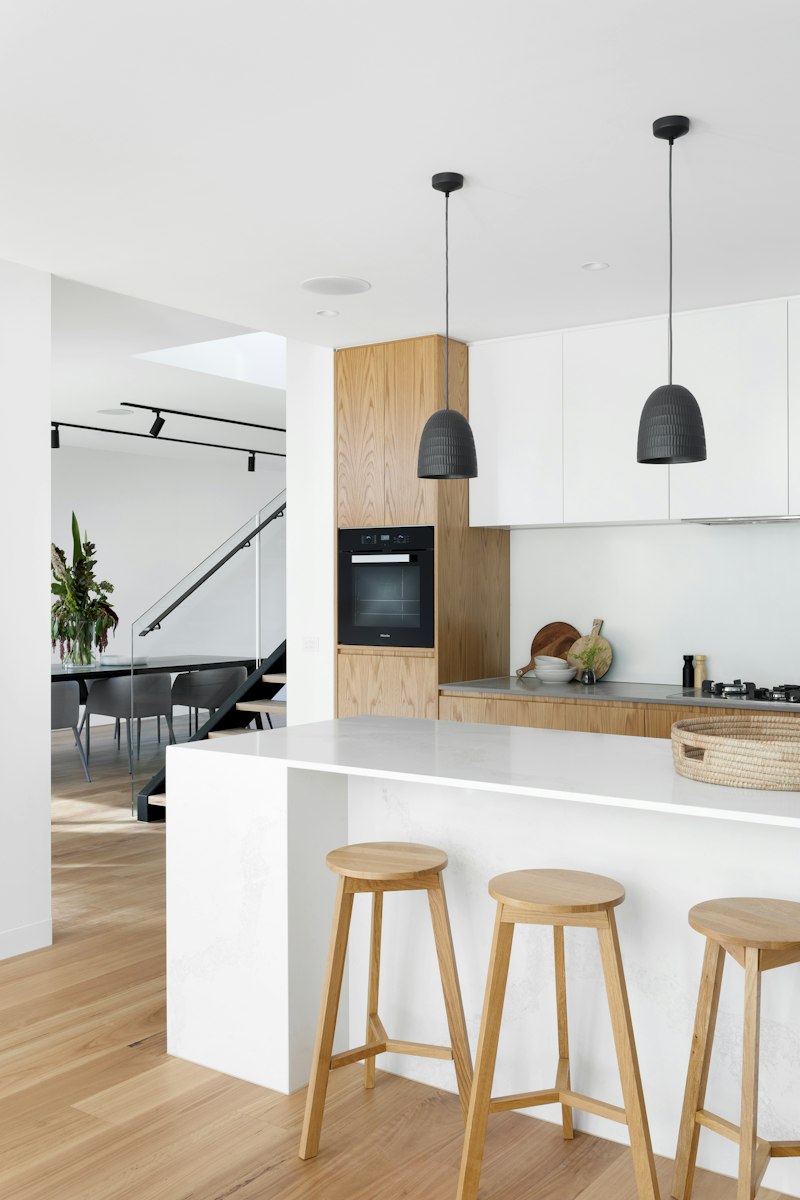
We maintain a small workshop in Gauteng with capacity for twelve to fifteen projects simultaneously at various stages. This limited scale ensures attention to detail and allows us to personally oversee each piece from material selection through final delivery.
Our client base includes private collectors, design-conscious homeowners, and occasional commercial projects for spaces that value authenticity over mass production. We prefer working with people who understand that meaningful objects require time.
Commissioned work represents about sixty percent of our output. These collaborations involve site visits, material discussions, and iterative design development. The remaining forty percent consists of original pieces created according to our current explorations with specific materials or forms.